
We all know what it feels like to start strong. A new supplement routine, a commitment to walking every day, a promise to drink more water and stress less. And we know what it feels like when that momentum quietly fades a few weeks later, not because we stopped caring, but because life got in the way and there was no structure to hold us steady. Structured wellness programs are meant to close that gap. They help bridge the space between wanting to be well and actually building your life around healthy habits.
What Makes a Structured Wellness Program Work?
Not every wellness effort looks the same, but the ones that stick tend to have a few things in common.
Clear, Measurable Results
They start with clear, measurable goals rather than vague intentions. “I want to feel better” becomes “I want to reduce my fasting blood sugar, improve my sleep quality, and add 20 minutes of movement to my day.” Specificity creates direction.
Consistent Routines and Checkpoints
They build in consistent routines and checkpoints, so progress can be celebrated and course corrections can happen before small slips become full stops.
Whole-Person Approach
Most importantly, they take a whole-person approach. This means looking at nutrition, movement, mental health, and supplement support together, not separately. These areas are deeply connected. Poor sleep affects blood sugar. Chronic stress lowers magnesium. Focusing on just one area often leaves progress unfinished.
The Key Benefits of Structured Wellness Programs
Personalization. A program that doesn’t consider your unique needs isn’t really a program; it’s just a template. Good wellness support meets people where they are, whether they’re managing a chronic condition, recovering from burnout, or simply wanting more energy for daily life.
Accountability and community. We naturally seek connection, and that support is a powerful motivator for change. Knowing someone is in your corner, whether it’s a wellness professional, another participant, or both, makes it much easier to stay on track.
Progress tracking. What gets measured gets meaning. Seeing objective evidence of change, whether it’s lab values shifting in the right direction, sleep scores improving, or simply feeling less inflamed, reinforces that the effort is working. That reinforcement keeps people going.
Expert support. Access to knowledgeable, trusted guidance changes everything. It removes the guesswork, shortens the learning curve, and helps people avoid the costly trial-and-error of navigating wellness alone.
The Psychology Behind Habit Formation and Health
Here’s something worth knowing: habits aren’t built through motivation. They’re built through repetition that eventually becomes automatic.
Every habit follows a basic loop: a cue triggers a routine, and a reward reinforces it. Over time, this loop becomes so familiar that the behavior happens almost automatically. Then the goal isn’t about forcing yourself to eat a salad but actually wanting the way a healthy meal makes you feel.
You may have heard it takes 21 days to form a habit. Research shows it’s actually closer to 66 days on average, and the timeline can vary a lot depending on the person and the habit. In practice, this means you should give yourself more patience and time than you might expect.1
Structure helps in ways that willpower alone cannot. When healthy choices are part of your routine, you don’t have to make so many decisions each day. This reduction in decision fatigue is a big benefit of a good wellness program. It makes doing the right thing feel easier, not harder.
Common Barriers and Why Structure Helps
“I don’t have time.” This is the most common reason people give, and it’s worth taking seriously. But most lasting wellness changes don’t require hours — they require consistency. A structured program helps identify what’s actually realistic for your life and builds from there, rather than setting an unsustainable pace from day one.
“I don’t know where to start.” This is why structure is so important. A clear plan takes away the stress of too many choices. Rather than changing everything at once, a good program introduces changes step by step, so you build momentum without feeling overwhelmed.
“I’ve tried before and it didn’t work.” This is worth looking at differently. Most people who haven’t succeeded with wellness efforts were missing structure, support, or the right information: not willpower or discipline. Starting with a stronger foundation can change the results.
Structure Isn’t Restriction: It’s Freedom
Many people think a structured wellness program means strict rules and giving things up. In reality, the opposite is often true. With a good framework, you spend less energy deciding what to do and more energy actually living well.
That’s what lifelong change really means. It’s not about being perfect, but about returning to healthy habits again and again until they become part of who you are.
How a Wellness Coach Supports Lasting Change
The evidence for structured wellness programs is strong. Studies on programs like the National Diabetes Prevention Program show that people who join structured lifestyle programs get much better results than those who try to make changes on their own. These results last for years, not just months.2
Structured smoking cessation programs, cardiac rehabilitation, and medically supervised weight management all show similar patterns: when people have expert guidance, accountability, and a clear plan, they succeed at higher rates and maintain those gains longer.3
The mechanism isn’t magic. It’s structure, support, and the slow, steady rewiring of habits into lifestyle.
The Role of a Wellness Pharmacist
Pharmacists have always been one of the most accessible healthcare professionals in any community. But the role of a wellness-focused pharmacist goes well beyond the prescription counter.
At Coastal Pharmacy & Wellness, we aim to be a real partner in your health journey. This means looking at your whole health, not just one part of it.
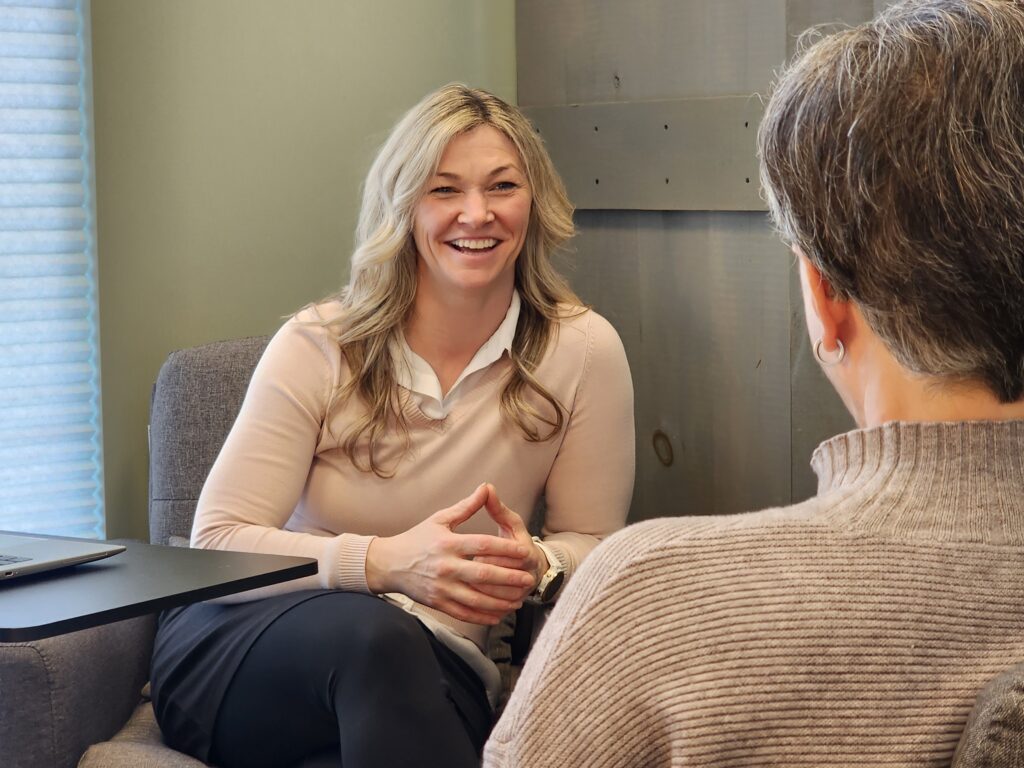
When you bring in recent lab work, our wellness pharmacist can sit down with you to explain what those numbers mean, where trends are headed, and which lifestyle or supplement strategies might help you achieve better results. We don’t diagnose; that’s your provider’s job. But we can help you understand and use your own health data.
From there, we can make targeted supplement recommendations based on that complete picture. Not a one-size-fits-all approach, but something specific to your labs, your health history, your goals, and the medications or other supplements you’re already taking.
Throughout the process, we work with your providers, not in place of them. Our goal is to fill in the gaps, support your existing care plan, and be a steady, knowledgeable resource between appointments.

How to Get Started with a Personalized Wellness Program
If you’re considering a wellness program, here are a few questions worth asking:
- Does this program account for my specific health history and goals?
- Will I have access to knowledgeable professionals who can guide me?
- Is there built-in accountability, or am I largely on my own?
- Does it address multiple dimensions of wellness, or just one?
- What does success actually look like, and how will I know if I’m getting there?
The first few weeks of any new wellness effort are the hardest not because change is impossible, but because new habits haven’t yet become automatic. Give yourself grace in that window, and lean on the support available to you.
Want to explore your options?
If you’re ready to explore what a personalized wellness approach could look like for you, we’d love to be part of that conversation.
References
- Lally, P., van Jaarsveld, C.H.M., Potts, H.W.W. and Wardle, J. (2010). “How are habits formed: Modelling habit formation in the real world.” European Journal of Social Psychology, 40: 998-1009.
- Centers for Disease Control and Prevention. (2024). What is the National DPP? National Diabetes Prevention Program. https://www.cdc.gov/diabetes-prevention/programs/what-is-the-national-dpp.html
- Laniado-Laborín, R., as cited in: A Review of Smoking Cessation Interventions: Efficacy, Strategies for Implementation, and Future Directions. (2024). Cureus. https://pmc.ncbi.nlm.nih.gov/articles/PMC10858725/